Lithium Battery Charging Voltage Chart
Lithium Battery Charging Voltage Chart
Complete Charging Voltage Chart for LiFePO₄, Lithium-ion (NMC), LiPo & LTO Batteries
The correct charging voltage is essential for battery safety, performance, and service life. Each lithium battery chemistry has its own recommended maximum charging voltage per cell. Using the correct charger and battery management system (BMS) helps ensure reliable operation and reduces the risk of battery damage.
Charging Voltage Per Cell
| Battery Chemistry | Nominal Voltage | Full Charge Voltage | Recommended Cut-Off Voltage* |
|---|---|---|---|
| LiFePO₄ (LFP) | 3.2V | 3.65V | 2.5–2.8V |
| Lithium-ion (NMC) | 3.6–3.7V | 4.20V | 2.8–3.0V |
| Lithium Polymer (LiPo) | 3.7V | 4.20V | 3.0V |
| Lithium Titanate (LTO) | 2.3–2.4V | 2.80V | 1.5–1.8V |
*Typical values. Always follow the cell manufacturer’s specifications.
LiFePO₄ (LFP) Battery Charging Voltage Chart
| Configuration | Nominal Voltage | Full Charge Voltage |
|---|---|---|
| 1S | 3.2V | 3.65V |
| 2S | 6.4V | 7.30V |
| 3S | 9.6V | 10.95V |
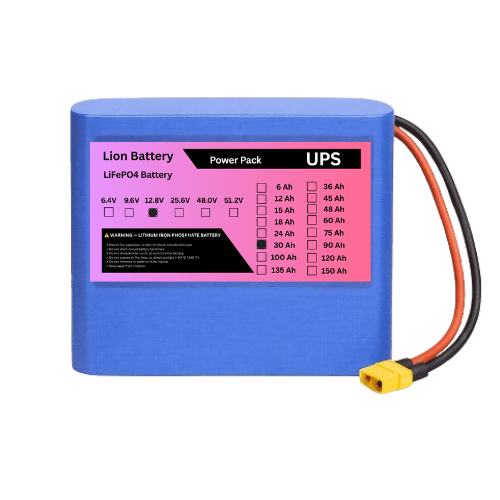
| 4S | 12.8V | 14.60V |
| 8S | 25.6V | 29.20V |
| 12S | 38.4V | 43.80V |
| 15S | 48.0V | 54.75V |
| 16S | 51.2V | 58.40V |
| 24S | 76.8V | 87.60V |
Lithium-ion (NMC) Battery Charging Voltage Chart
| Configuration | Nominal Voltage | Full Charge Voltage |
|---|---|---|
| 1S | 3.7V | 4.20V |
| 2S | 7.4V | 8.40V |
| 3S | 11.1V | 12.60V |
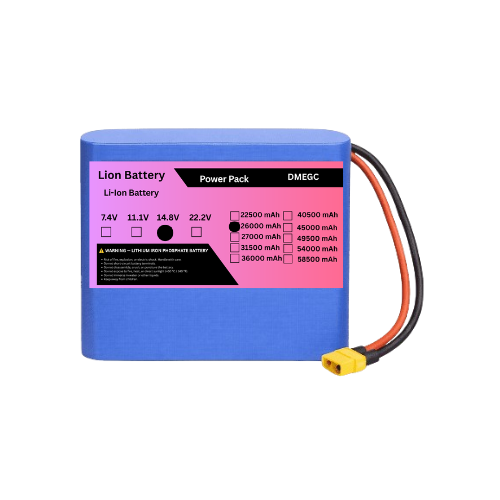
| 4S | 14.8V | 16.80V |
| 7S | 25.9V | 29.40V |
| 10S | 36V | 42.00V |
| 13S | 48V | 54.60V |
| 14S | 51.8V | 58.80V |
| 16S | 59.2V | 67.20V |
| 20S | 72V | 84.00V |
Lithium Polymer (LiPo) Charging Voltage Chart
| Configuration | Nominal Voltage | Full Charge Voltage |
|---|---|---|
| 2S | 7.4V | 8.40V |
| 3S | 11.1V | 12.60V |
| 4S | 14.8V | 16.80V |
| 5S | 18.5V | 21.00V |
| 6S | 22.2V | 25.20V |
| 8S | 29.6V | 33.60V |
| 12S | 44.4V | 50.40V |
Lithium Titanate (LTO) Charging Voltage Chart
| Configuration | Nominal Voltage | Full Charge Voltage |
|---|---|---|
| 6S | 14.4V | 16.80V |
| 10S | 24V | 28.00V |
| 12S | 28.8V | 33.60V |
| 20S | 48V | 56.00V |
Recommended Charging Current
| Battery Capacity | 0.5C Charging Current | 1C Charging Current |
|---|---|---|
| 10Ah | 5A | 10A |
| 20Ah | 10A | 20A |
| 50Ah | 25A | 50A |
| 100Ah | 50A | 100A |
| 200Ah | 100A | 200A |
Always follow the battery manufacturer’s recommended charging current.
Best Charging Practices
- Use a charger designed for the correct battery chemistry and voltage.
- Verify charger output before connecting the battery.
- Use a Battery Management System (BMS) for cell protection and balancing.
- Charge in a dry, well-ventilated area.
- Do not charge damaged or swollen batteries.
- Avoid charging outside the manufacturer’s recommended temperature range.
- Disconnect the charger after charging is complete if recommended by the charger manufacturer.
Common Applications
These charging voltages are commonly used for:
- Electric Cars
- Electric Scooters & Bikes
- Electric Buses
- Electric Trucks
- Solar Energy Storage Systems
- UPS Systems
- Telecom Backup Batteries
- Portable Power Stations
- Drones & UAVs
- Marine Batteries
- Medical Equipment
- Industrial Automation
- Robotics
Why Choose Lion Battery?
- Custom Lithium Battery Pack Design
- LiFePO₄ & Lithium-ion Battery Manufacturing
- Smart BMS Integration
- OEM & ODM Manufacturing
- Prototype Development
- Battery Testing & Validation
- High-Quality Lithium Cells
- Technical Engineering Support
- Bulk Production
- Reliable After-Sales Service
Frequently Asked Questions (FAQ)
What is the full charging voltage of a 48V lithium battery?
It depends on the battery chemistry:
- 48V (13S) Lithium-ion (NMC): 54.6V
- 48V (15S) LiFePO₄: 54.75V
What is the charging voltage of a 51.2V LiFePO₄ battery?
A 16S 51.2V LiFePO₄ battery is typically charged to 58.4V.
Can I use a LiFePO₄ charger for a lithium-ion battery?
No. LiFePO₄ and Lithium-ion (NMC) batteries require different charging voltages. Always use a charger that matches the battery chemistry and configuration.
Why is a BMS important during charging?
A Battery Management System (BMS) helps protect the battery by monitoring voltage, current, temperature, and cell balance during charging and discharging.
Contact Us
Lion Battery
📞 Phone / WhatsApp: +91-9724991737
📧 Email: info@lionbattery.in
🌐 Website: https://lionbattery.in
Related Battery Guides
Related Products